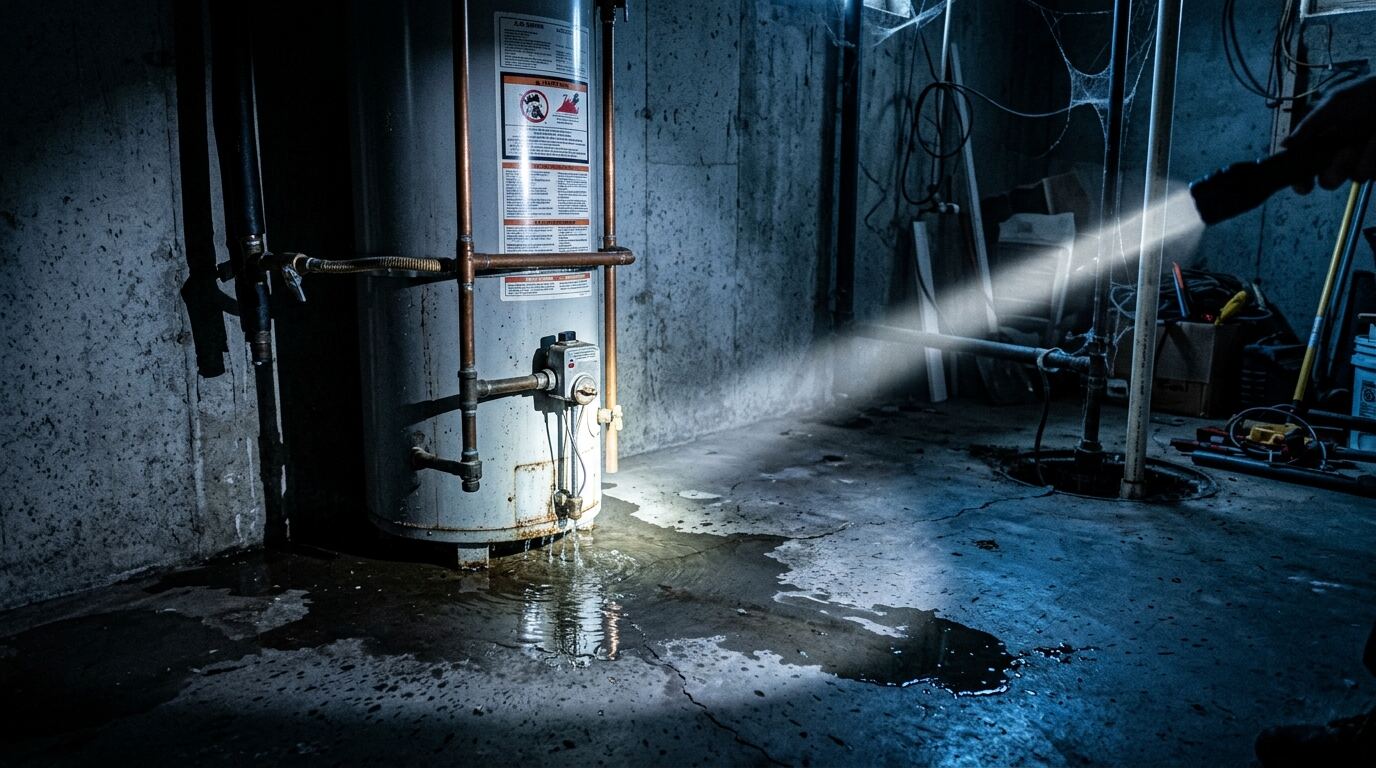
Most homeowners policies cover water damage that is sudden and accidental and originates inside the home. They generally don’t cover damage that is gradual, caused by lack of maintenance, or caused by flood or sewer backup unless you bought the right coverage.
Usually covered
- A supply line or pipe that bursts, including from freezing when reasonable heat was maintained
- A water heater that suddenly ruptures
- A washing machine hose that splits or a dishwasher that suddenly leaks
- An upstairs overflow that damages the unit below
- Rain entering after wind, hail or a falling tree damages the roof
- Water used to put out a fire
- Ice dam leaks (often; check your wording)
Often not covered
| Situation | Why it’s often excluded | Where coverage may come from |
|---|---|---|
| Slow leak under a sink for months | Continuous or repeated seepage; wear and tear | Usually none; fix leaks early |
| Rising flood water, storm surge | Flood exclusion | NFIP or private flood policy |
| Sewer or drain backup | Water backup exclusion | Water/sewer backup endorsement |
| Groundwater seeping through the foundation | Surface/subsurface water exclusion | Usually none |
| Roof leak from an old, worn roof | Wear, tear and deterioration | Usually none |
| Frozen pipes in a vacant home with no heat | Freezing exclusion when heat wasn’t maintained | Usually none |
| Mold from long-term humidity | Mold exclusion or sublimit | Limited mold coverage, if any |
The pipe vs. the damage
A common surprise: the policy may pay to repair your floors, walls and belongings, and even to open and close the wall to reach the leak — but not to replace the broken pipe or the failed water heater itself. Those are considered maintenance. Keep the failed part; the adjuster may want to see it.
How to file a strong claim
- Stop the damage — mitigation is required by your policy and generally part of the claim.
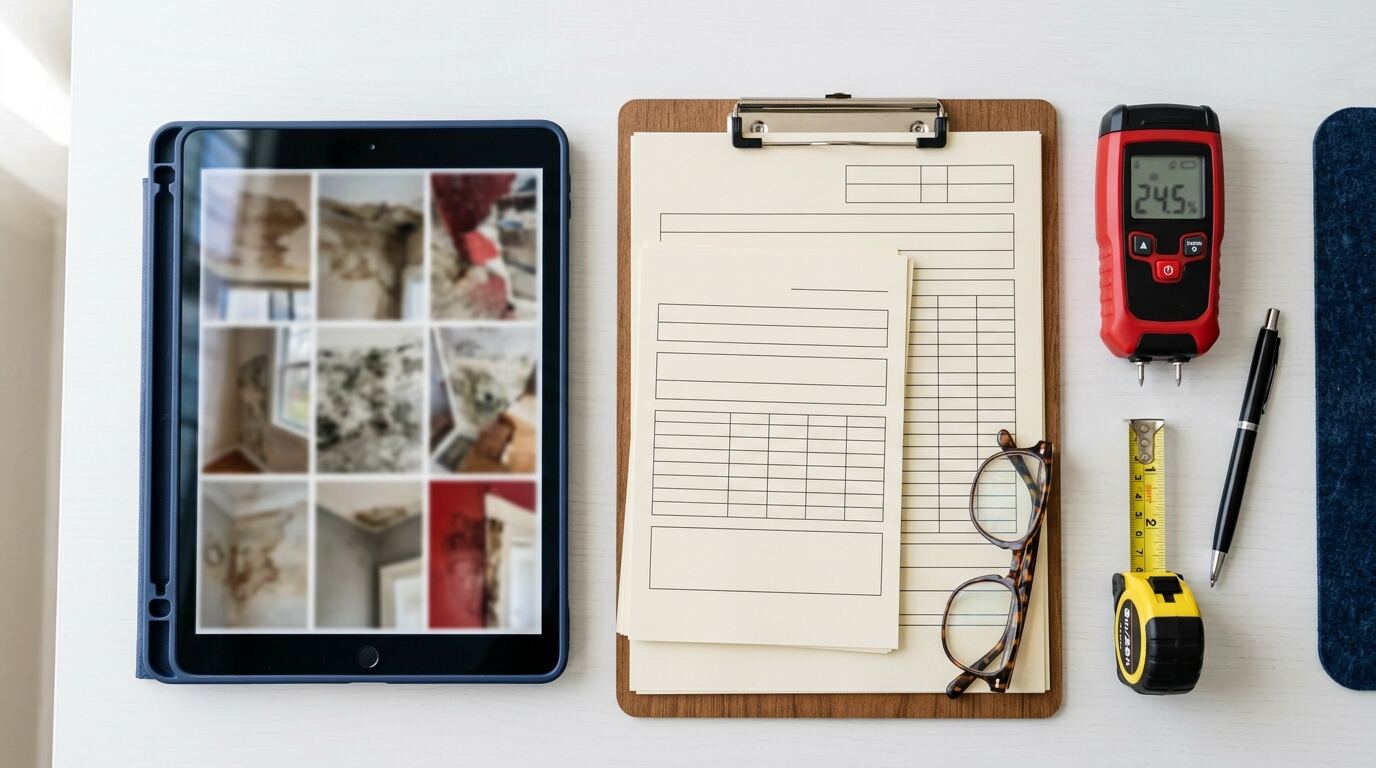
- Document before cleanup: the source, the extent and every damaged item.
- Report promptly and write down your claim number.
- Keep the evidence: the split pipe, the failed hose, the burst fitting.
- Get professional moisture readings that show the extent of damage objectively.
- Save receipts for temporary housing and emergency expenses.
- Review the adjuster’s estimate and request a supplement if hidden damage is found.
We help with every step: insurance claim help.
This article is general information and not legal or insurance advice. Coverage depends on your specific policy, endorsements and state law.
FAQ
Will filing a water claim raise my premium?
It can, depending on your carrier and claim history. That’s a conversation to have with your agent; for large losses, a claim is usually worth filing.
What if the damage is below my deductible?
Then you pay for it directly. We can give you a written scope so you can decide before filing.