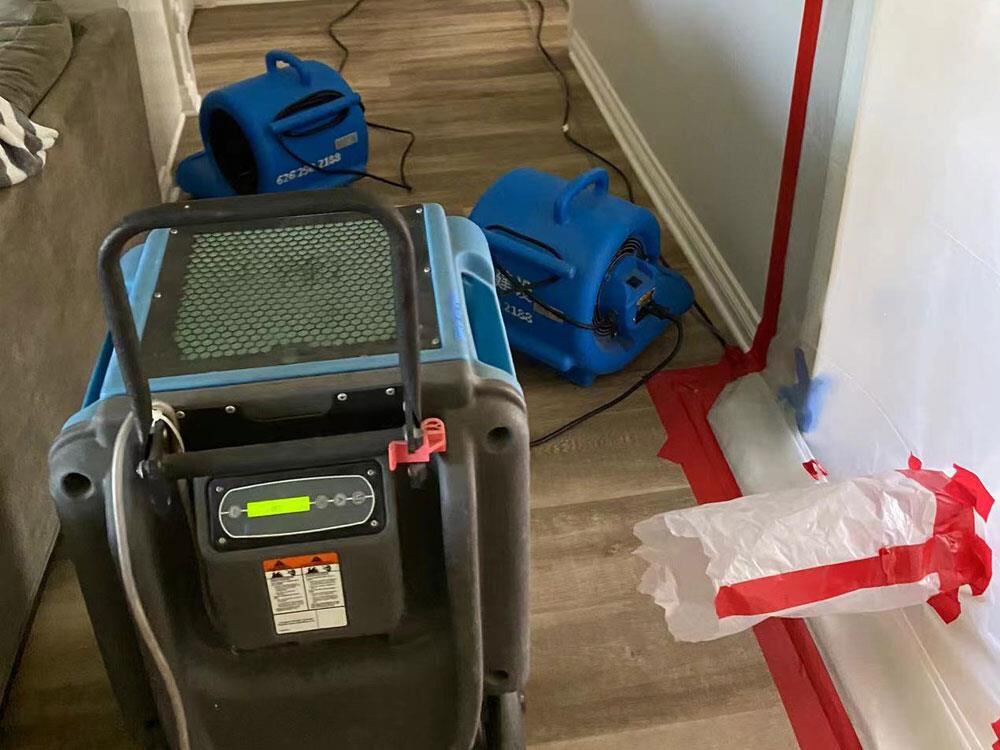
Moisture detection and measurement
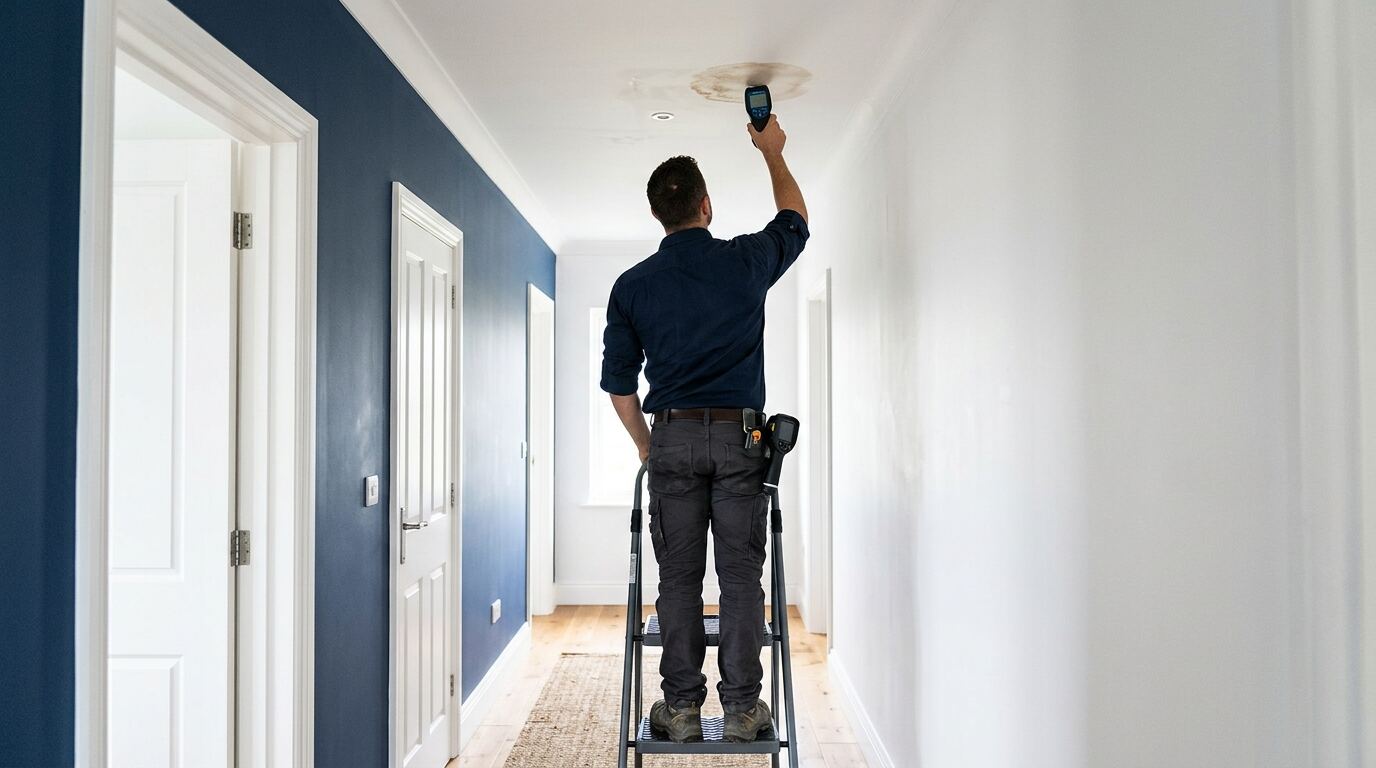
- Thermal imaging cameras reveal temperature differences caused by evaporating moisture behind walls, ceilings and floors.
- Pinless moisture meters scan through surfaces to outline wet areas without damage.
- Pin moisture meters measure moisture content at specific depths in wood and drywall.
- Thermo-hygrometers track temperature, relative humidity and grains per pound so we can calculate whether the air is actually drying.
- Acoustic leak detectors locate pressurized leaks under slabs and in buried lines.
Water extraction
Extraction is the most efficient part of drying: every gallon pulled out as liquid is a gallon the dehumidifiers don’t have to remove as vapor. Submersible and gas-powered pumps handle deep water; truck-mount and portable extractors with weighted tools pull water out of carpet and pad.
Drying equipment
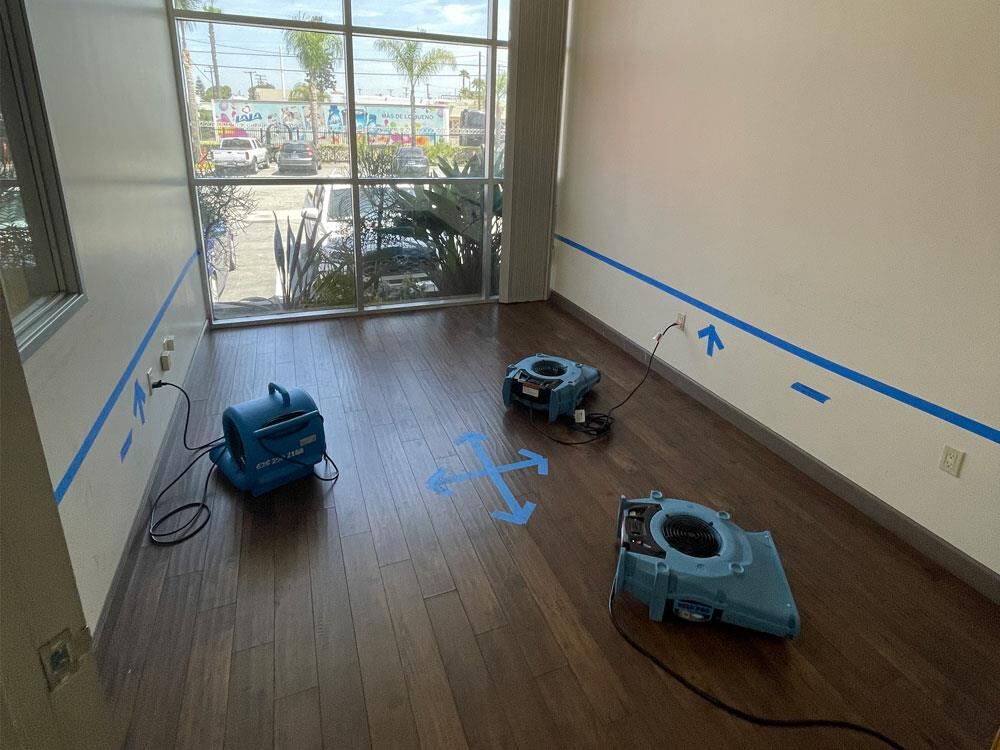
- Air movers push high-velocity air across wet surfaces to speed evaporation, placed along walls in a consistent direction.
- Low-grain refrigerant (LGR) dehumidifiers pull large volumes of water from the air, even as the air gets drier.
- Desiccant dehumidifiers for cold spaces and dense materials where refrigerant units lose efficiency.
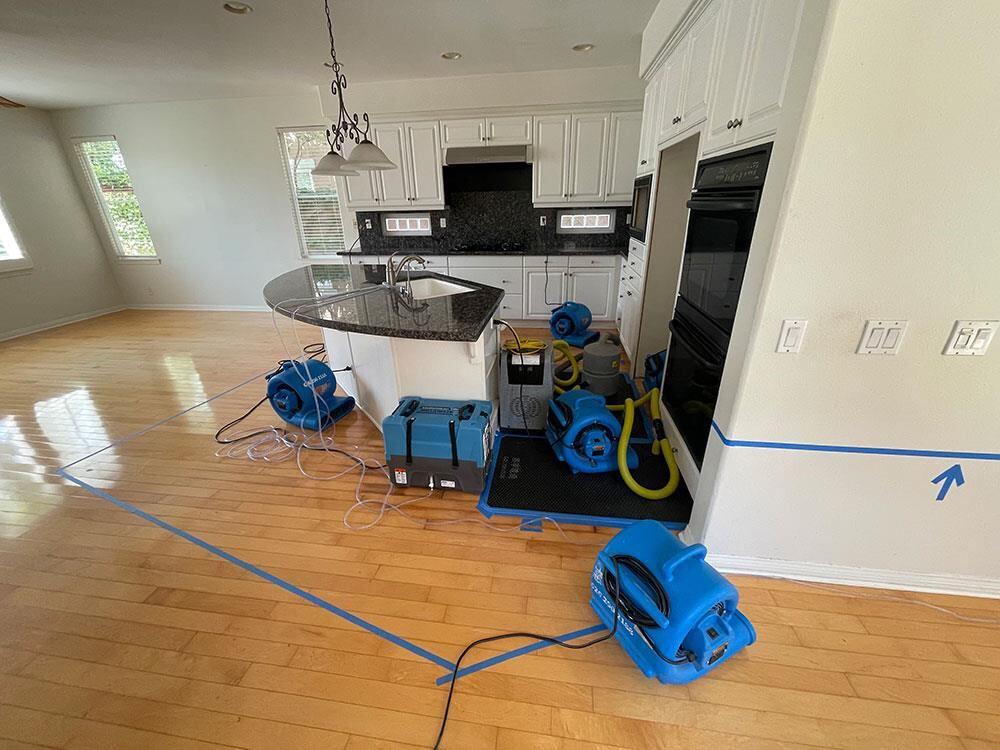
- Hardwood floor drying mats use negative pressure to draw water up from beneath the boards.
- Wall cavity injection systems dry inside walls and cabinets through small access holes.
Air quality and deodorization
- HEPA air scrubbers capture particles, soot and mold spores and create negative air pressure in containment.
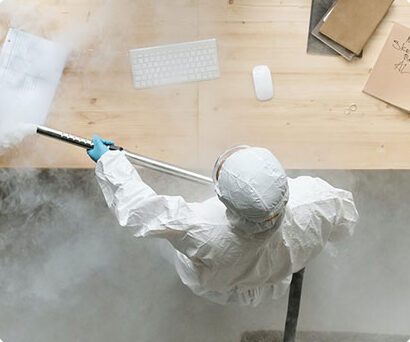
- Thermal foggers produce a fine heated fog that penetrates materials the way smoke did.
- Hydroxyl generators break down odor molecules and are safe to run in occupied spaces.
- Ozone generators for severe odor in unoccupied spaces only.
Antimicrobials and disinfectants
We use EPA-registered antimicrobials and disinfectants appropriate to the situation — to suppress bacteria, fungi and mold after water losses, and to disinfect after sewage backups — applied according to the label and the IICRC standards.
Why equipment and method matter
Find it
Hidden water left behind is what turns into mold and warped floors.
Dry it
Equipment sized to the room and the class of loss dries faster and saves more materials.
Prove it
Daily readings show you and your insurer exactly when the job was dry.