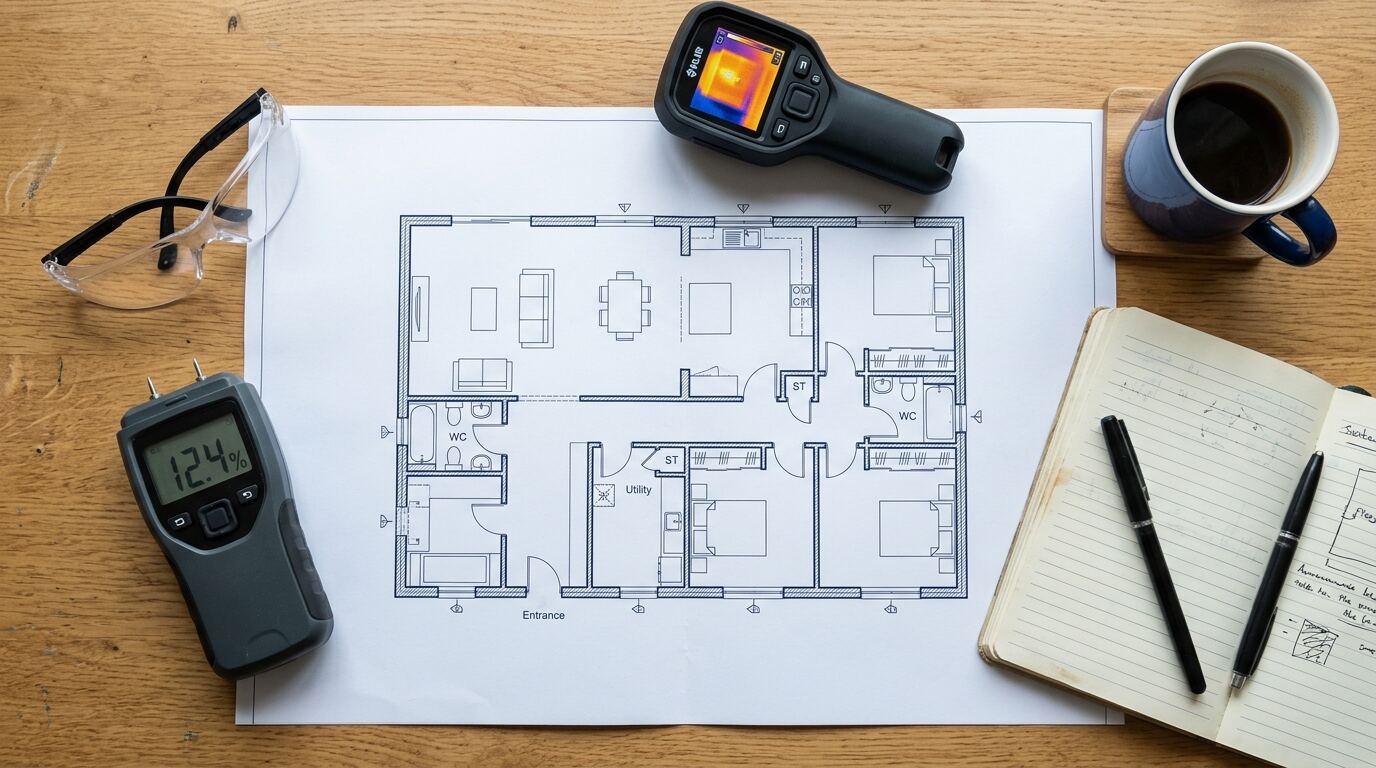
Homeowner guides: water, fire, mold & insurance
Much of the damage we see isn’t caused by the disaster itself but by what happened in the hours after it. These guides collect what homeowners in New York and Southern California ask us most — leaks, fires, mold, roofs and insurance claims — so you can make the right call when it counts.
Leaks, pipes and flooding
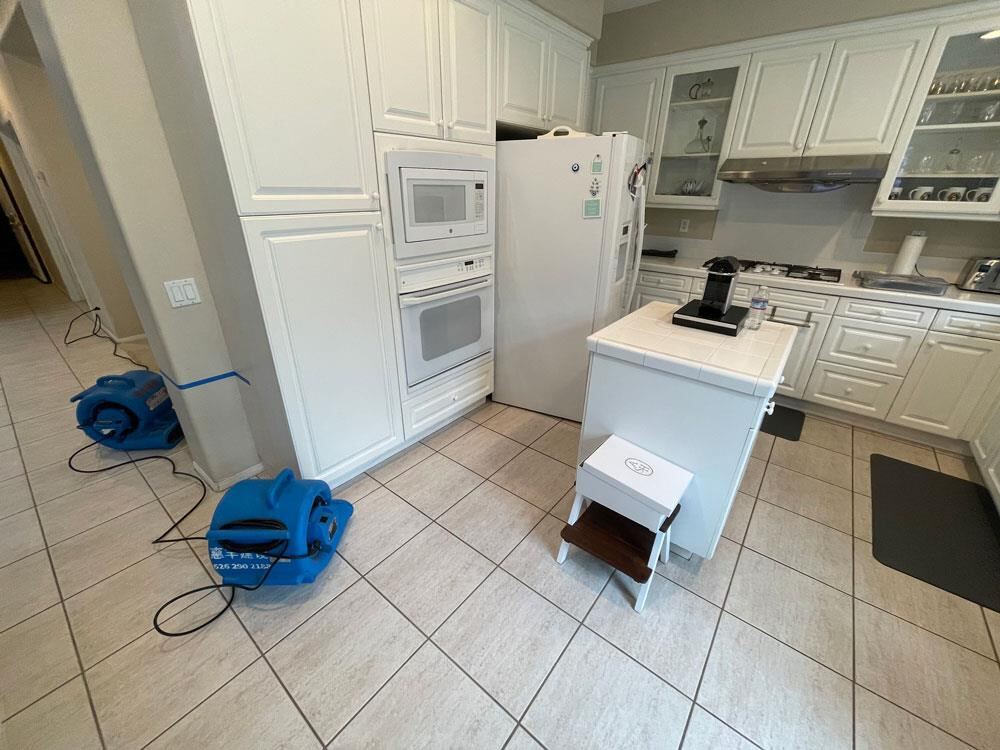
What to do in the first 24 hours after water damage
Shut-off, power, photos, contents, insurance — nine steps in the right order.
Read the guide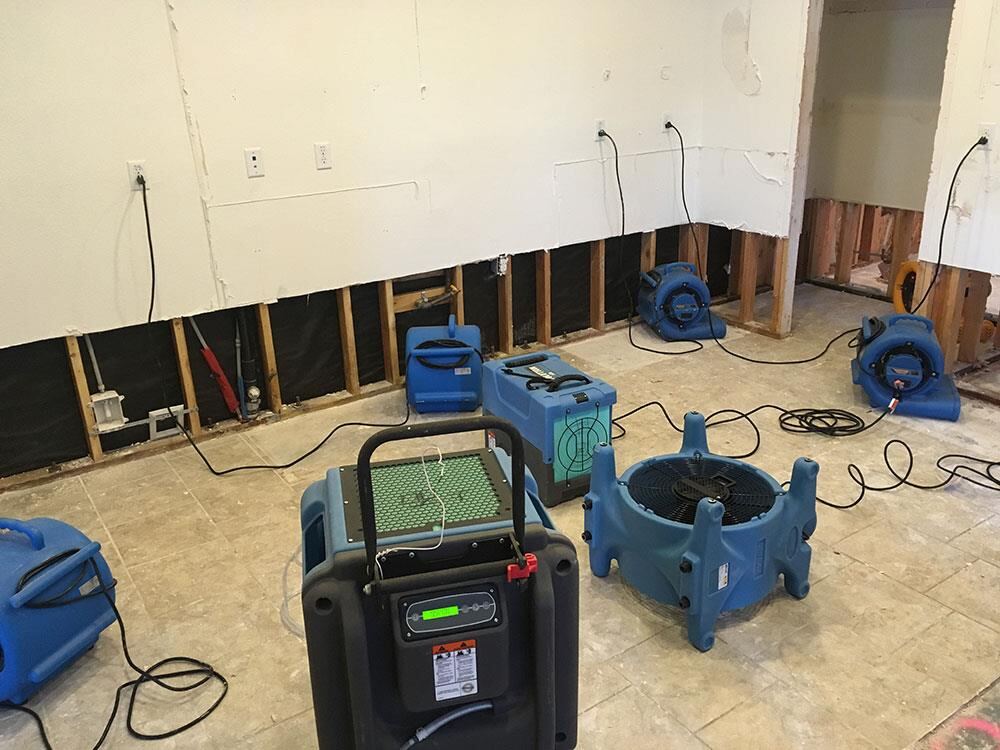
Water damage categories & classes explained
Clean, gray and black water under IICRC S500 — and why it decides what can be saved.
Read the guide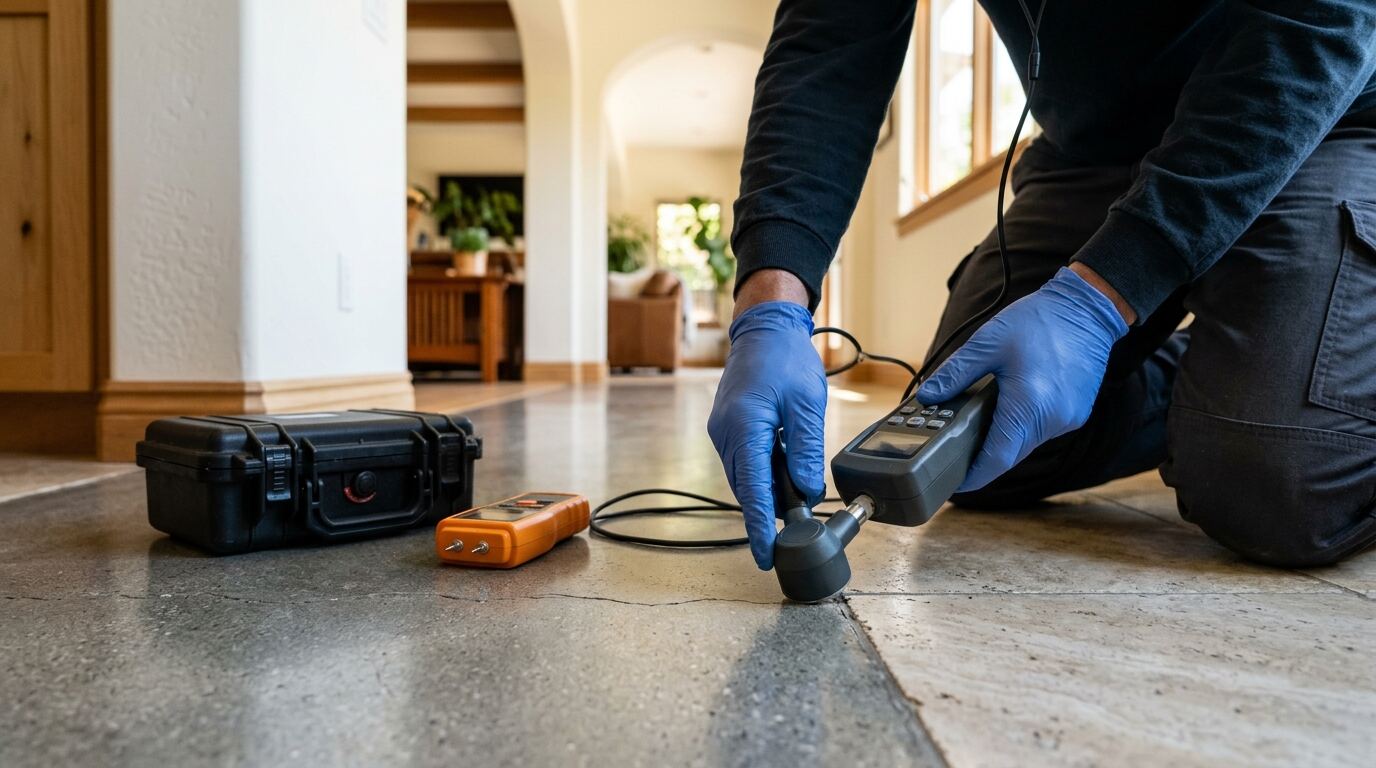
Slab leaks in Southern California: signs, causes & fixes
Warm floors, a spinning meter and cracked tile — what they mean and what to do.
Read the guide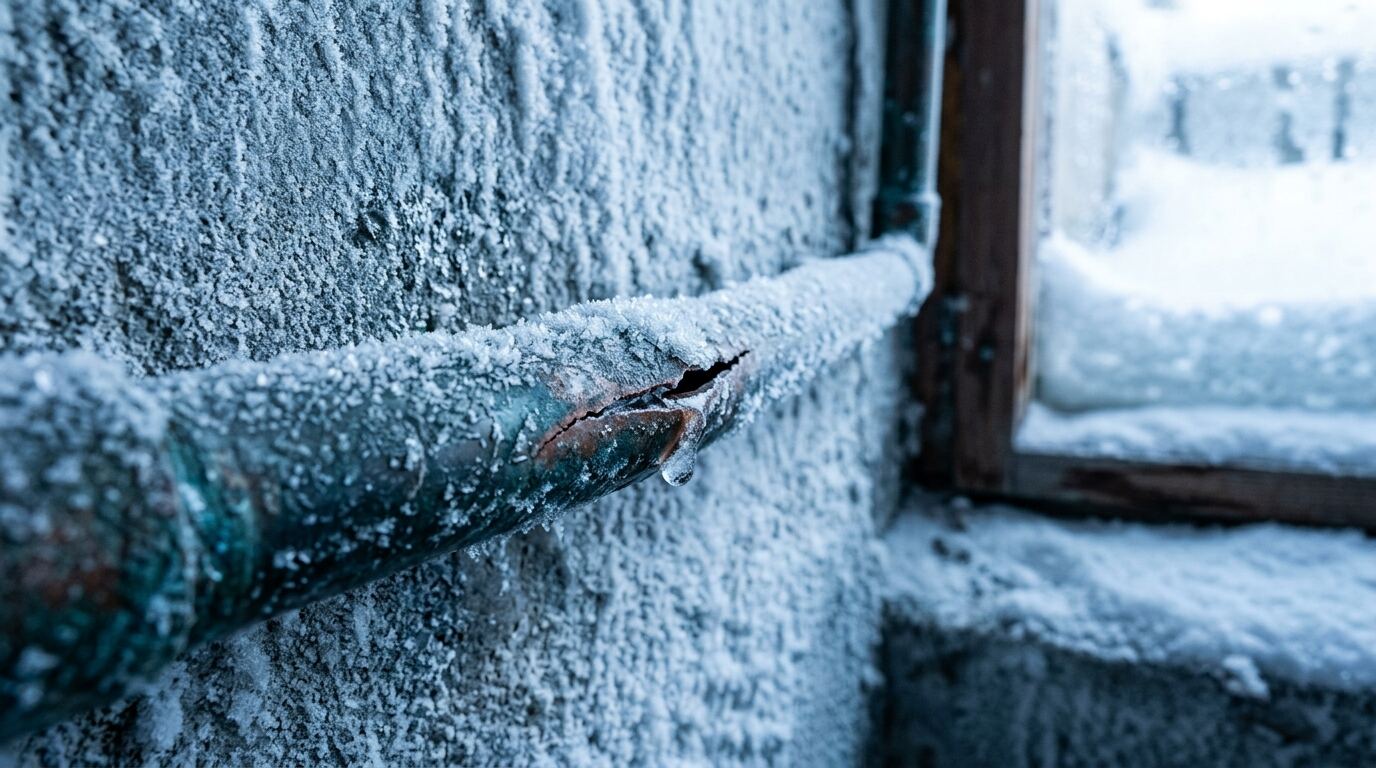
How to prevent frozen pipes in New York winters
A pre-winter checklist, travel settings, safe thawing and what to do if a pipe splits.
Read the guide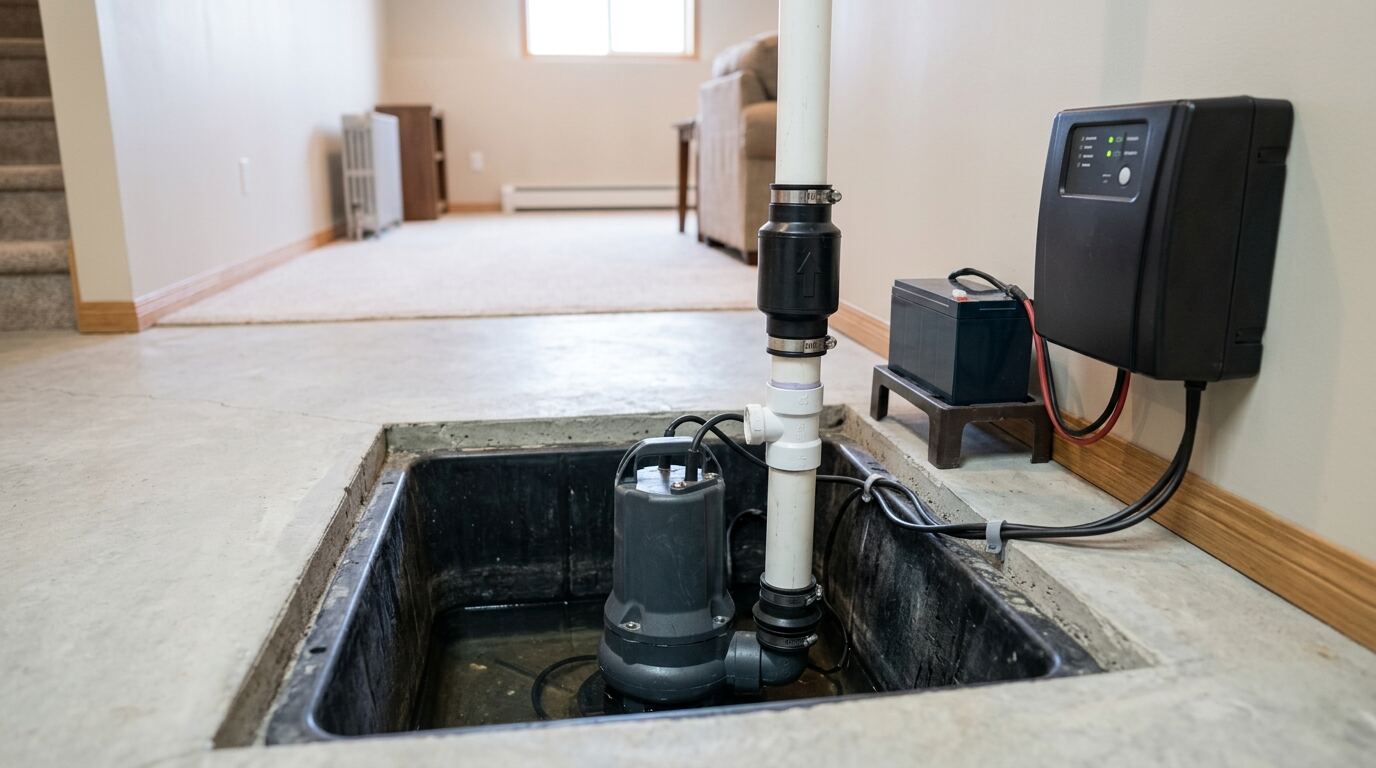
How to prevent basement flooding
Sump pumps with backup power, backwater valves, downspouts, grading and the endorsement most people miss.
Read the guideFire, smoke, mold and roof leaks
8 things not to do after a house fire
The common mistakes that lock in smoke damage.
Read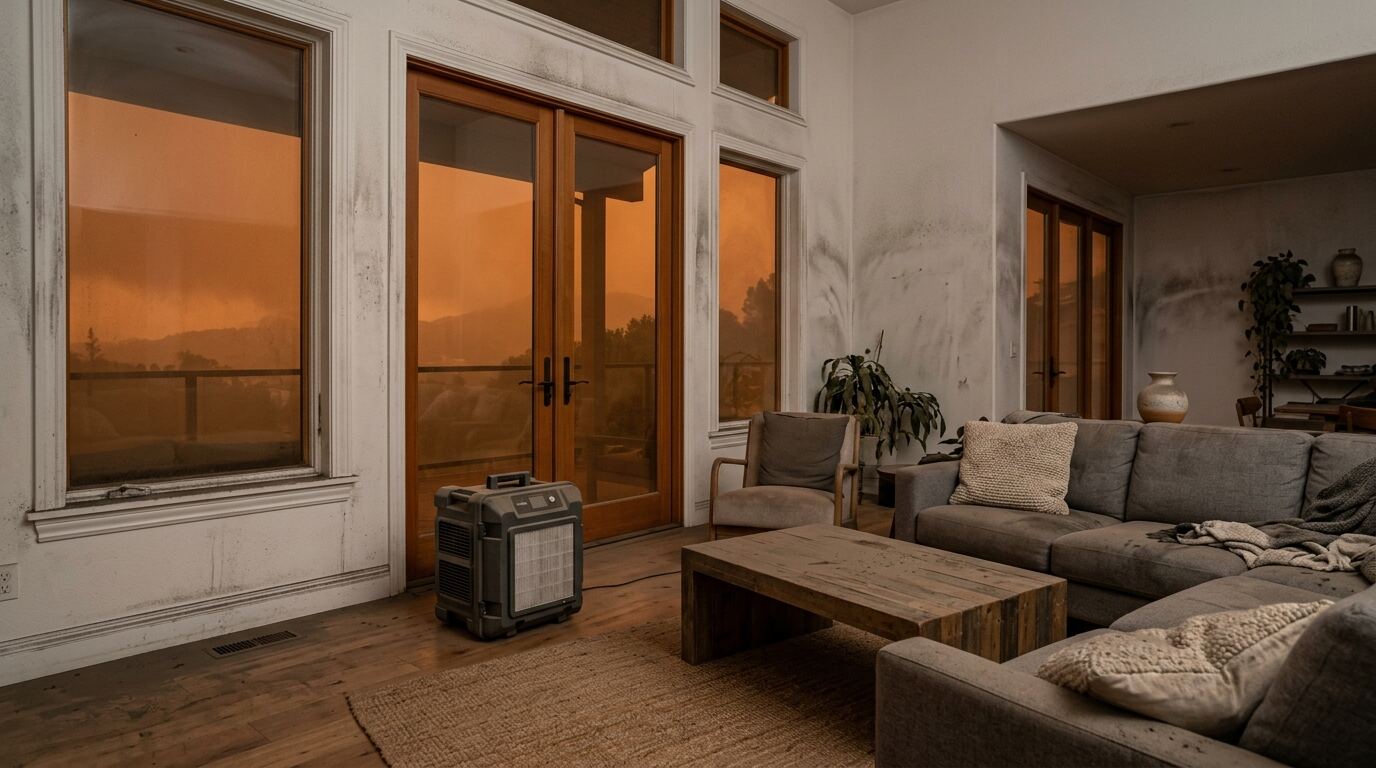
Wildfire smoke damage in your home
What’s safe to clean yourself and when to call a pro.
Read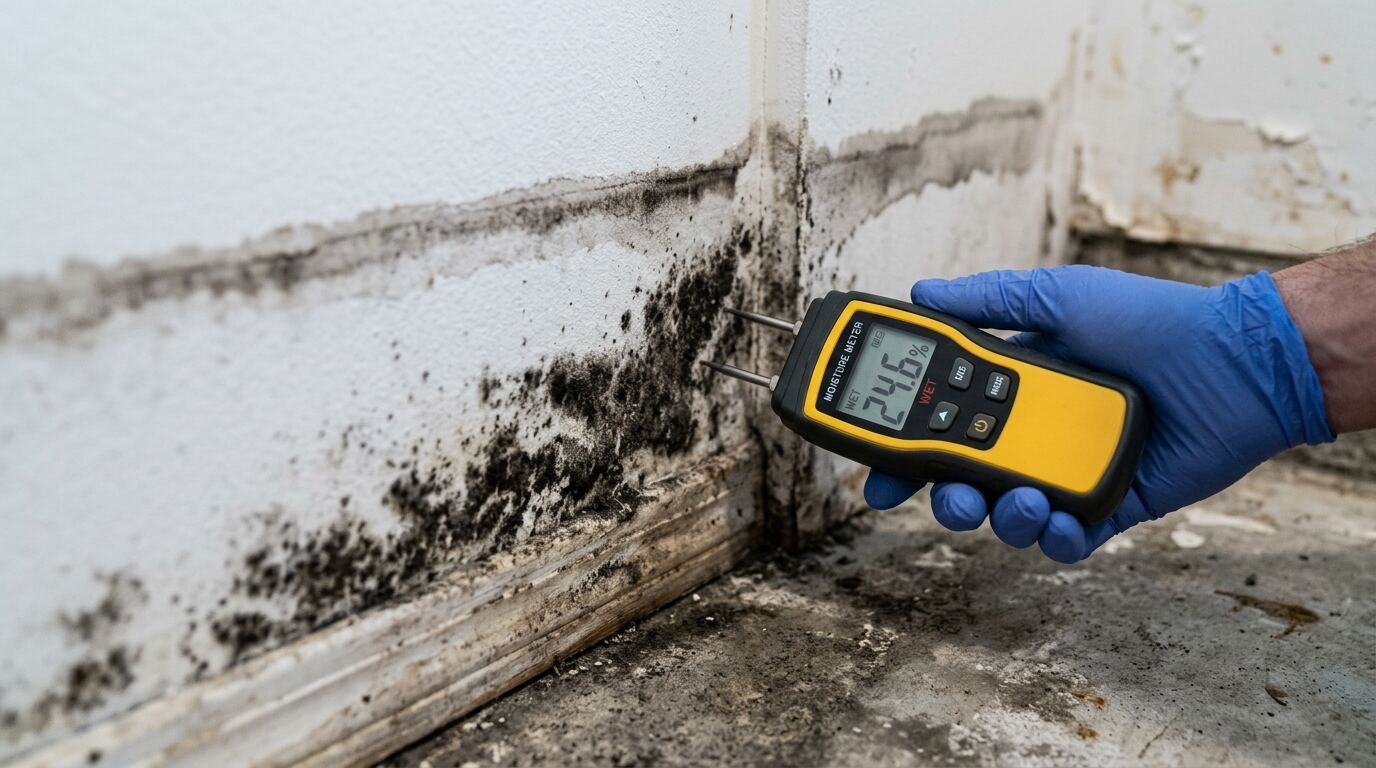
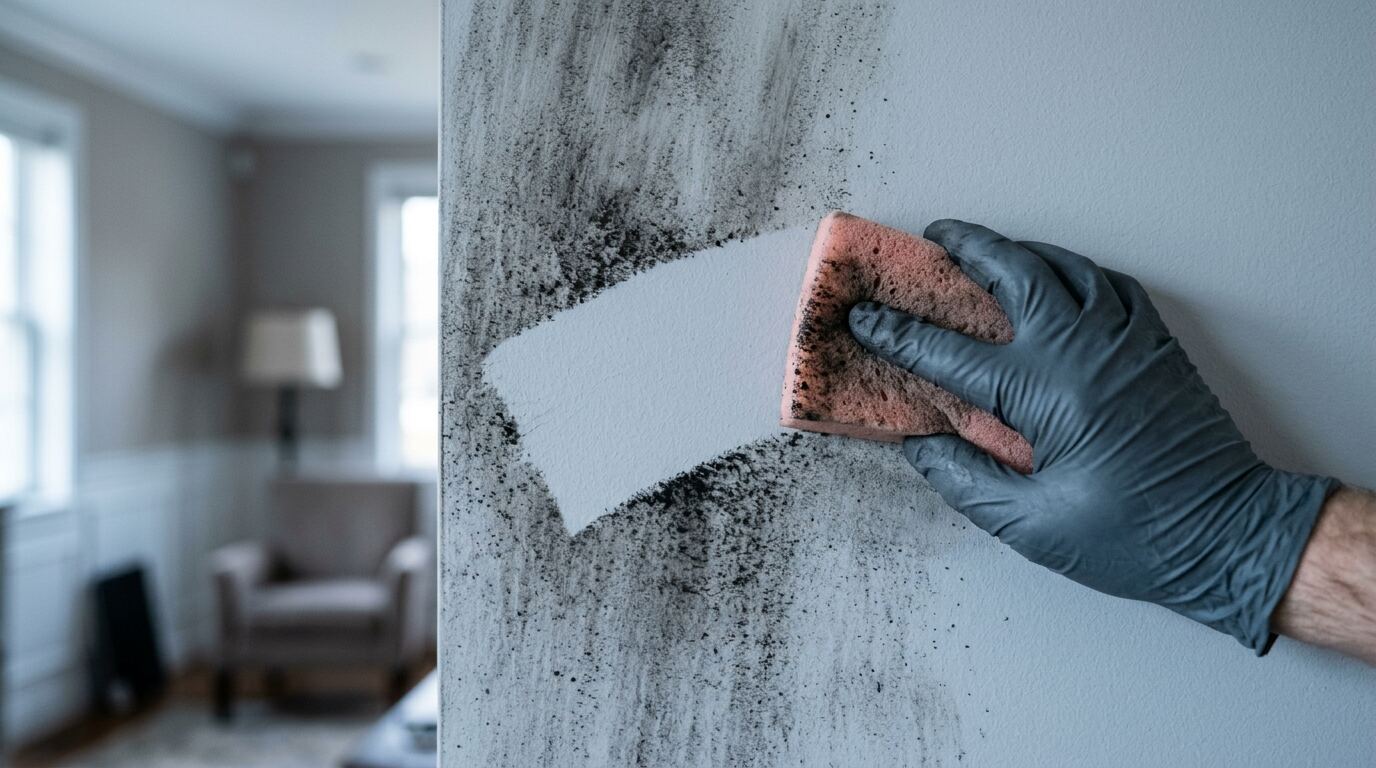
Mold in your home: risks, signs & 5 don’ts
How to check for mold and what never to do.
Read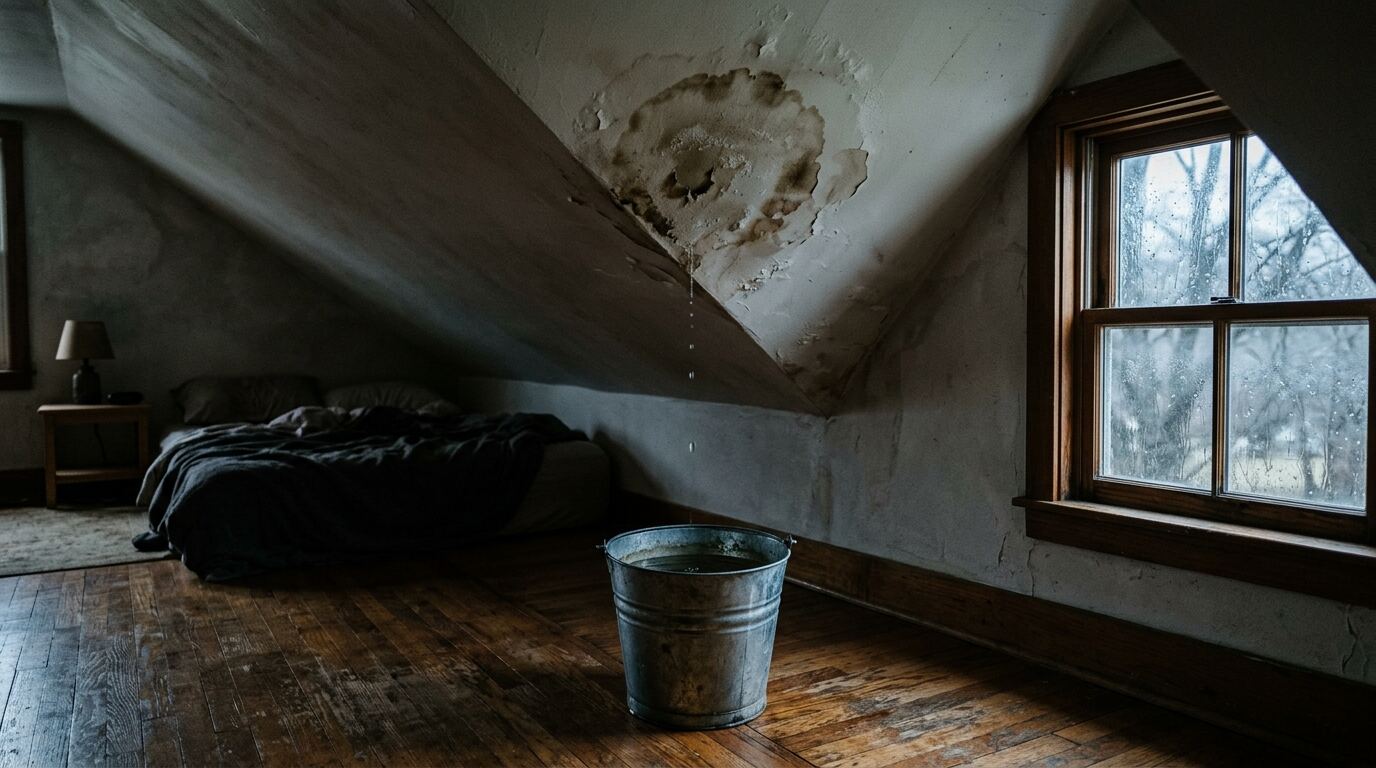
7 early warning signs of a roof leak
Plus why ice dams form and repair versus replace.
ReadHomeowners insurance and claims
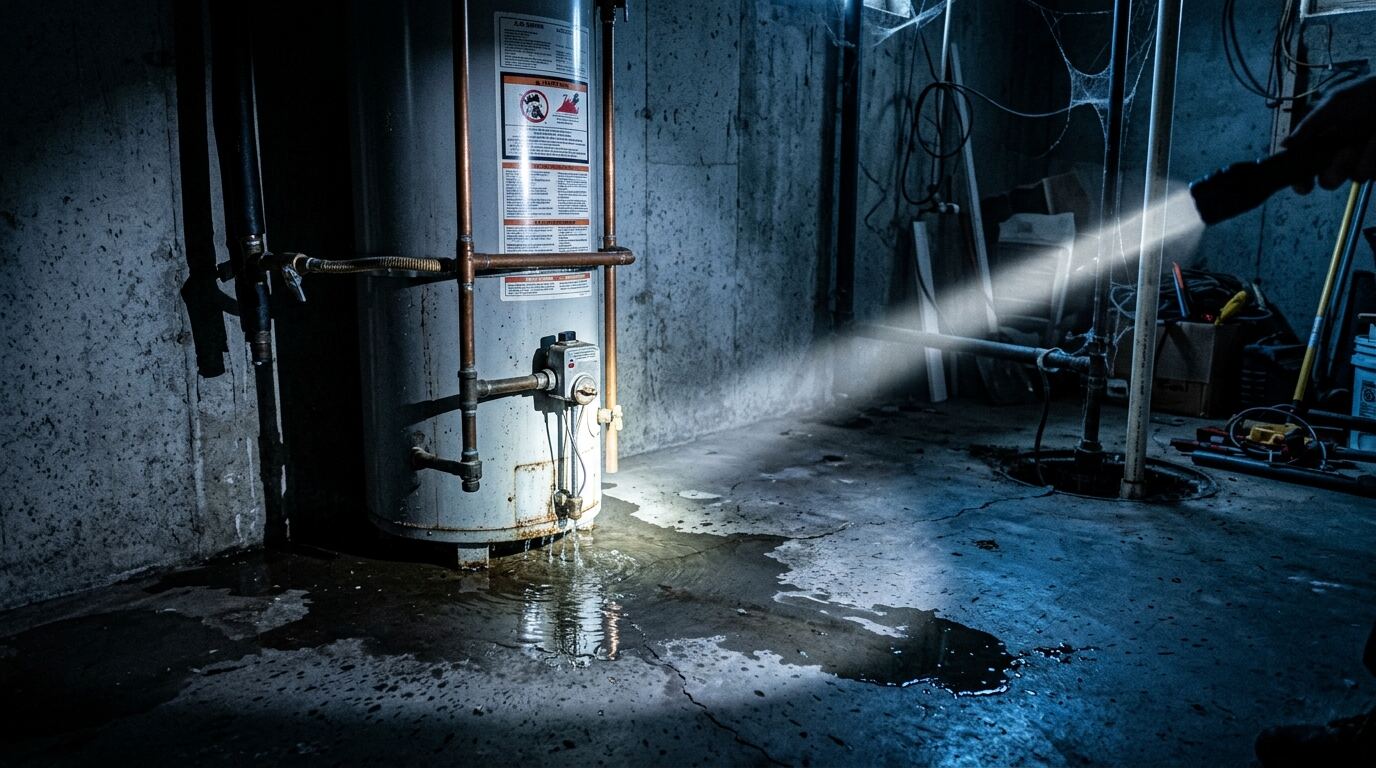
Does homeowners insurance cover water damage?
Sudden vs. gradual, backups, exclusions and how to file well.
Read the guide
HO-2 vs HO-3 vs HO-5 vs HO-6 explained
Which policy you have and what open vs. named perils really means.
Read the guide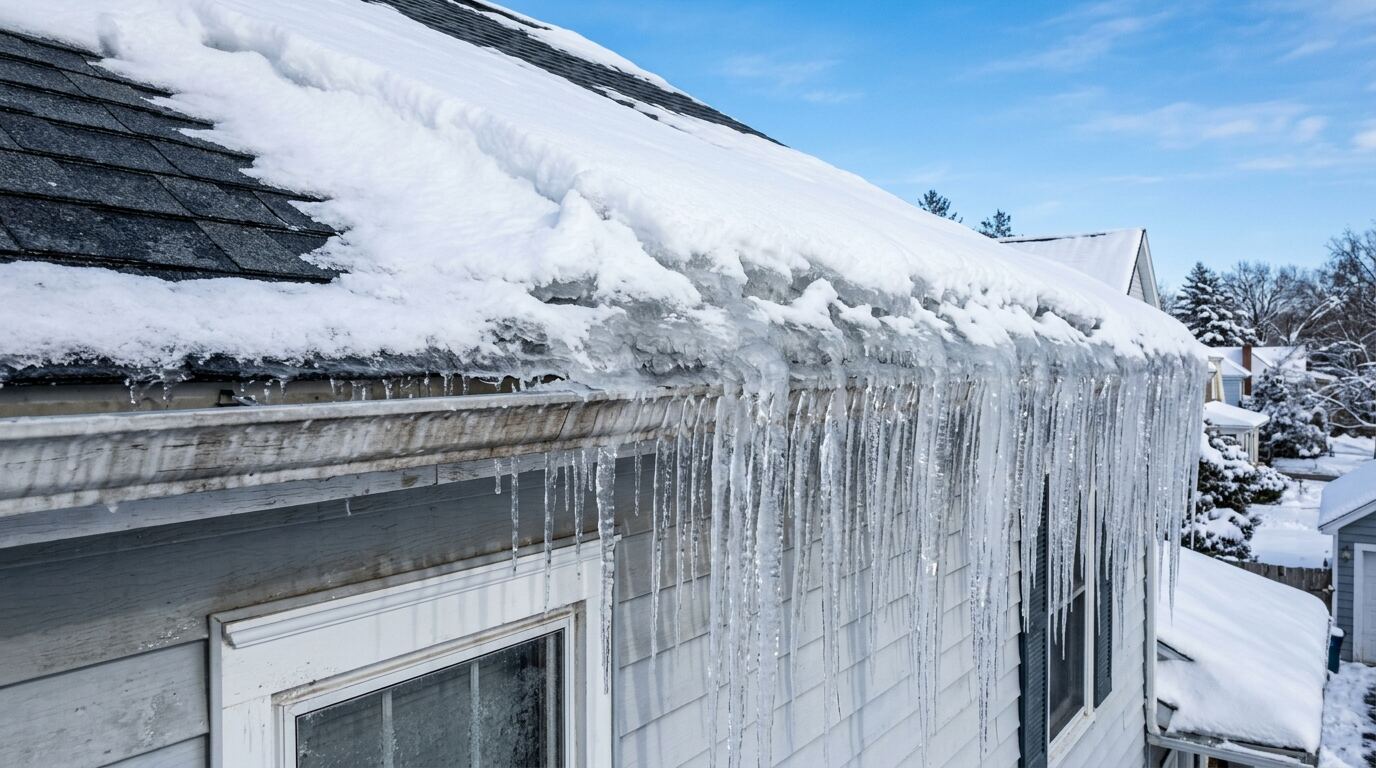
The 16 named perils explained
Each standard peril with real-world examples of what’s covered and what isn’t.
Read the guideWater, fire and mold don’t wait. Neither do we.
Every hour of standing water raises the cost of the repair. Call the office nearest you — a coordinator answers around the clock, dispatches a crew and can bill your insurance carrier directly.