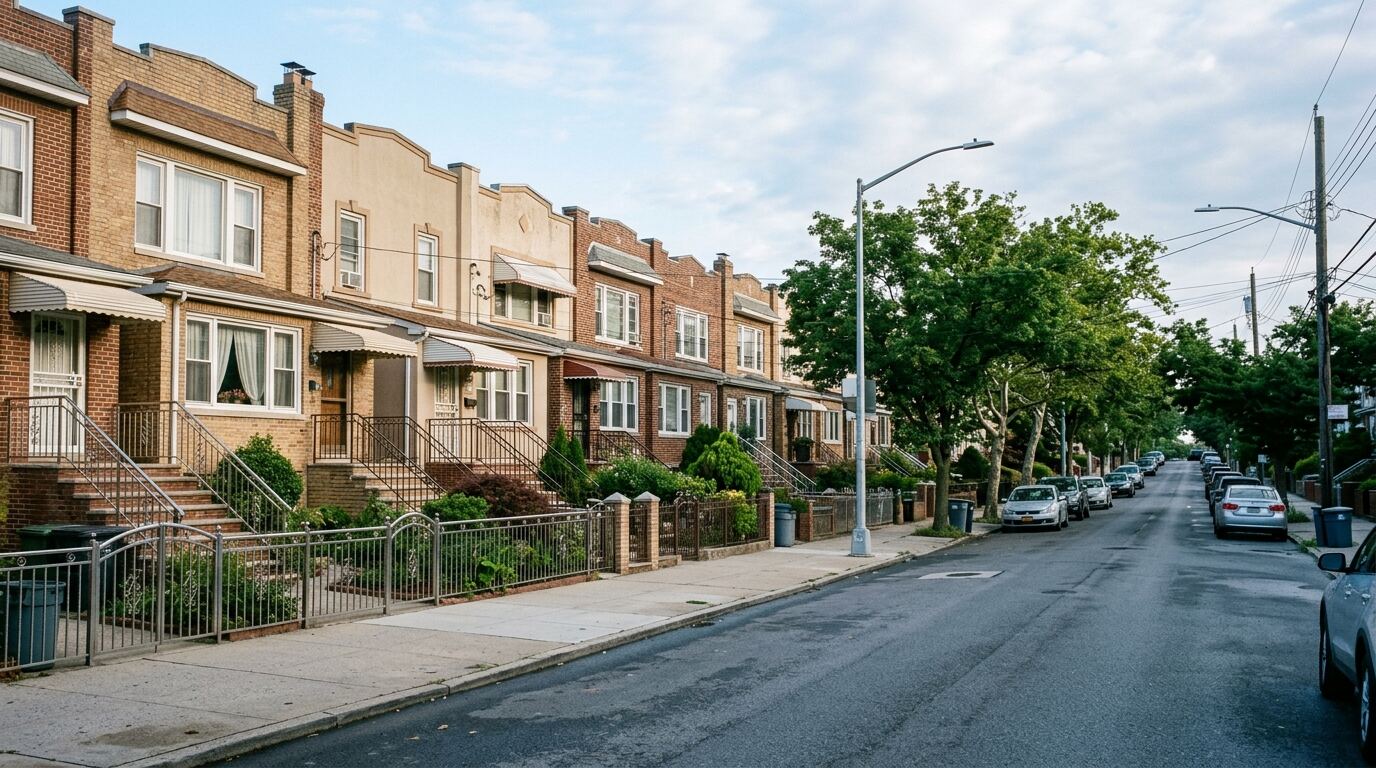
What we see most in Queens
- Leaks between units: a tub overflow or failed shower pan upstairs soaks the ceiling of the apartment below. Both owners’ insurers are usually involved.
- Basement backups: many Queens neighborhoods have combined sewers; during heavy downpours, sewage can push up through basement floor drains. See sewage cleanup.
- Old galvanized and copper lines: corrosion and pinhole leaks in homes built between the 1920s and 1960s. See pipe leak repair.
- Flat roofs: attached row houses with flat roofs and parapet walls develop leaks at seams and drains. See roof leak repair.
- Illegal or unpermitted basement apartments: poor ventilation and flooding risk that lead to mold. See mold remediation.
Queens neighborhoods we serve
- Flushing
- Murray Hill
- Bayside
- Whitestone
- Beechhurst
- College Point
- Fresh Meadows
- Oakland Gardens
- Douglaston
- Little Neck
- Auburndale
- Forest Hills
- Rego Park
- Elmhurst
- Corona
- Jackson Heights
- Astoria
- Jamaica Estates
Leak from upstairs: what to do
- Knock on the upstairs door or call building management to stop the water.
- Photograph the ceiling, walls and damaged belongings, with timestamps.
- Move electronics and valuables; don’t turn on lights under a wet ceiling.
- Notify your own insurer and get the upstairs owner’s insurance information.
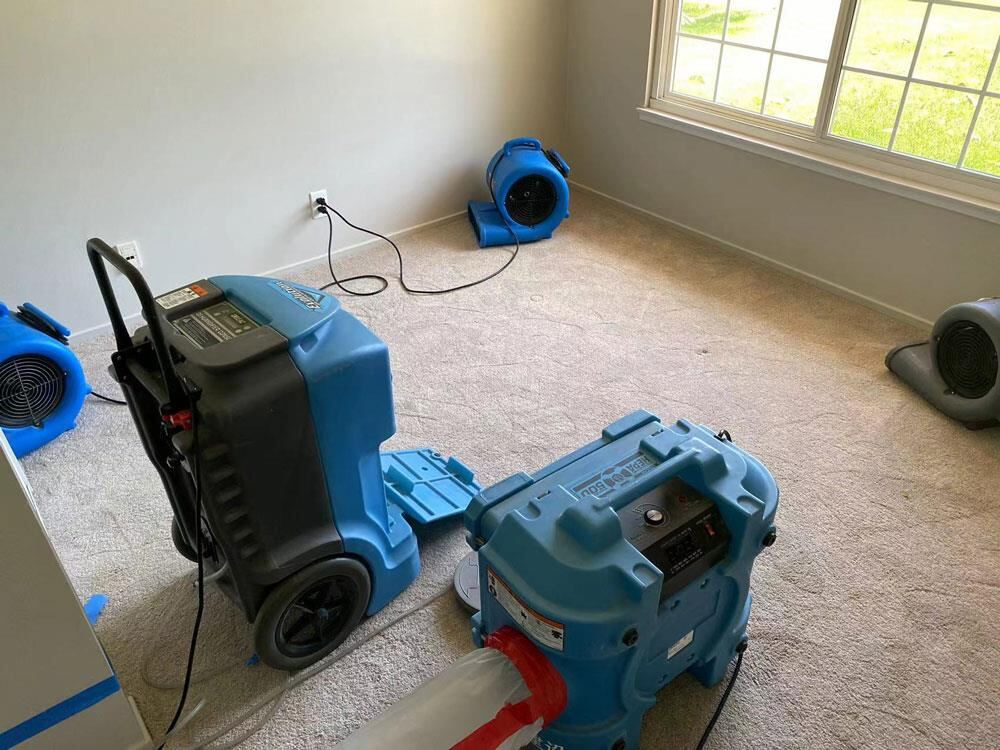
- Call us to start mitigation — waiting for the two carriers to agree only makes the damage bigger.
Queens FAQ
I rent my apartment. Who pays for the restoration?
The building owner is typically responsible for the structure; your renters (HO-4) policy covers your belongings. We can work with the landlord and document your personal property losses for your own claim.
Do you work with co-op and condo boards?
Yes. We coordinate access, work hours and certificates of insurance with management, and document the source of the leak for the board and all insurers involved.